
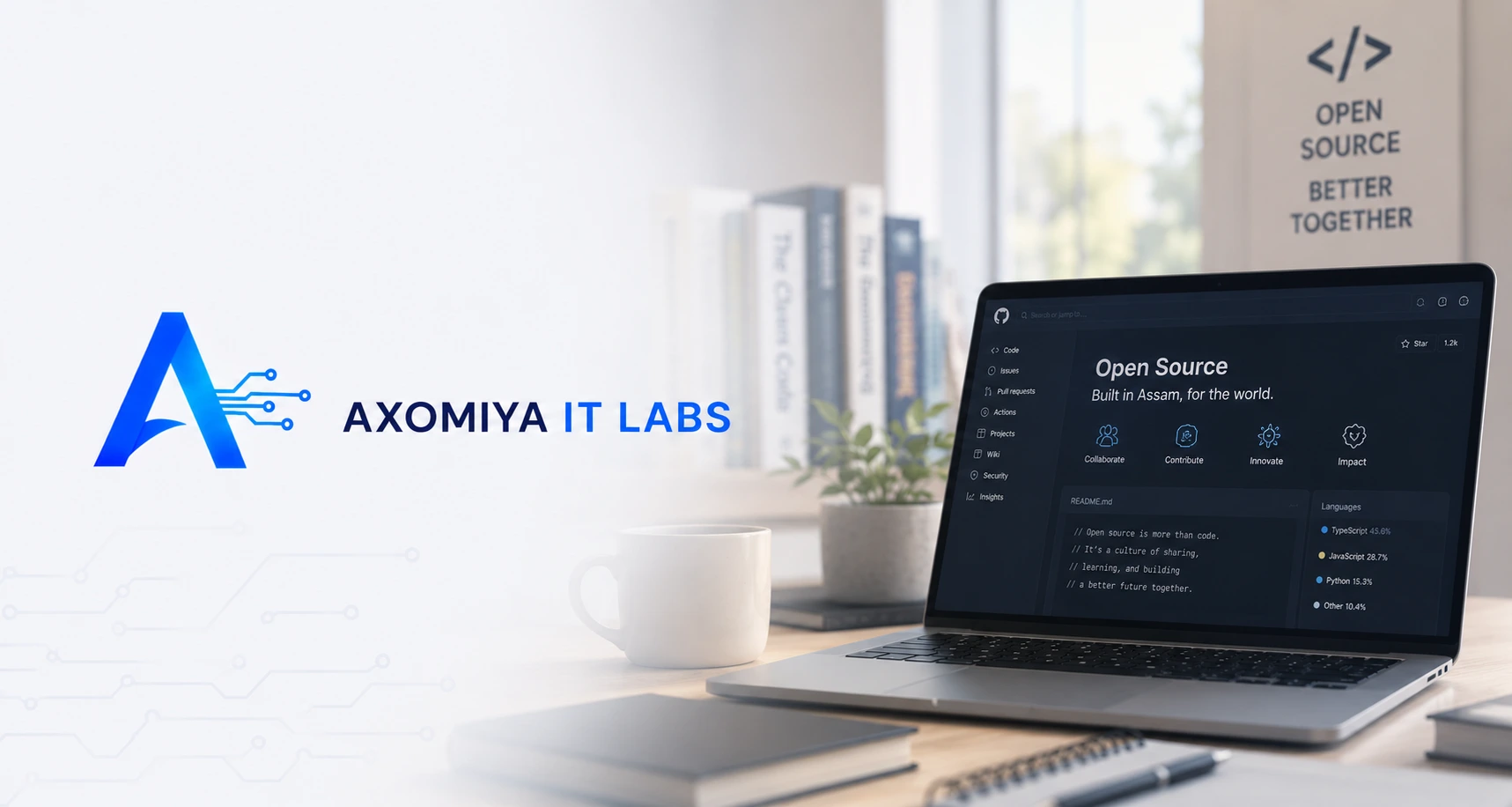
Open source means anyone can see, use, modify, and share the code behind a tool. Think of it like a free recipe book: you can cook the dish, change the ingredients, or teach someone else to make it better. When a project is open source, its source code is publicly available — usually on GitHub — and anyone can contribute.
How open source works
When a developer releases a project as open source, they publish the complete source code under a license that lets others use it freely. The most common license is MIT, which allows anyone to use, modify, and distribute the code with minimal restrictions. This creates a collaborative environment where improvements and innovations come from a global community, not just a single company.
Popular open-source projects include Linux (the operating system that runs most of the internet), React (a web development framework), and TensorFlow (a machine learning library). These projects are maintained by thousands of contributors worldwide and are free for anyone to use.
Why open source matters for Assam
Most software and tools used in Assam are proprietary — made by companies that control who can use them and how much they cost. Open source changes this equation completely. Anyone in Assam can take an open-source tool, translate it into Assamese, add local features, and share it with the community. No permission needed. No fees required.
For example, if students at a college in Jorhat need an Assamese-language learning management system, they can take an existing open-source platform like Moodle, customize it for their needs, and deploy it for free. This is the power of open source: it turns consumers into creators.
Building skills through open source
Contributing to open source is one of the best ways to learn real-world software development. You read professional code, solve actual problems, and work with experienced developers. Many employers now hire based on open-source contributions because they demonstrate practical skills that cannot be learned from textbooks alone.
For students in Assam, open source provides a level playing field. You can contribute to projects used by millions, build a portfolio, and gain experience that matters — without spending money on courses or certifications.
How to get started with open source
Start by exploring projects on GitHub. Look for repositories with tags like good-first-issue or beginner-friendly. These are issues specifically marked for newcomers. Read the project documentation, join the community chat, and ask questions. The open-source community is generally welcoming to newcomers who show genuine interest and willingness to learn.
Remember: every experienced contributor was once a beginner. Your first contribution does not need to be perfect. It just needs to be yours.
The future is open
As AI becomes more powerful, open source ensures that these tools remain accessible to everyone. When AI models are open source, researchers can audit them for bias, developers can adapt them for local languages, and communities can build on top of them. Closed, proprietary AI concentrates power in the hands of a few corporations. Open-source AI distributes that power to everyone.
At Axomiya IT Labs, we are committed to open source because we believe technology should serve people — not the other way around.